Oct 15, 2026Materials & Sustainability
Bamboo vs Beech vs Walnut: A Wooden Hair Brush Materials Guide for Brands
Bamboo, beech and walnut behave differently in production and on the shelf. A materials comparison for brand buyers — density, moisture behavior, finishes, and how each wood fits a retail channel.

QUICK ANSWER
Bamboo is a fast-renewing grass with low material cost; beech is the stable hardwood most private-label programs are built on; walnut is the premium option with deep grain and a naturally oil-rich surface. For most wholesale programs, beech balances durability and budget, bamboo supports eco-led lines, and walnut anchors premium and gift sets.
Why Material Choice Shows Up in Returns
Handle material is not a cosmetic decision. Cracked handles, faded finishes and loose cushions usually trace back to how a wood behaves after months of bathroom humidity, not to how it looked in the sample photo. Buyers who match the wood to their market's climate and price point see fewer warranty claims and steadier review scores; buyers who choose on looks alone often rediscover the material at the returns counter.
This guide compares the three woods we machine most often — bamboo, beech and walnut — from a sourcing and production standpoint, so brand buyers can brief their own customers with specifics instead of adjectives.
The Three Woods, Side by Side
Property | Bamboo | Beech | Walnut |
|---|---|---|---|
Botanical category | Fast-growing grass | Hardwood | Premium hardwood |
Weight and density | Light | Medium, dimensionally stable | Heavier, dense |
Surface character | Pale, smooth, fine vertical grain | Even, classic brush-body grain | Deep chocolate grain |
Moisture behavior | Low absorption, benefits from sealing | Stable after kiln drying | Naturally oil-rich surface |
Common finishes | Clear coat, laser engraving | Varnish, stain, printed logos | Oil finish, laser engraving |
Suited for | Eco-led lines, promotional programs | Core private-label ranges | Premium collections, gift sets |
How Each Wood Behaves in Production
Bamboo is harvested on a short renewal cycle and laminated into planks before machining, which keeps material cost low and gives eco-positioned lines a clear story. Beech machines into the classic brush body shape and holds cushion and pin assemblies reliably after drying, which is why it remains the default body wood for airbag brushes. Walnut is denser and carries natural oils, so it takes a different finishing sequence and rewards the extra step with a surface that photographs well for premium packaging.
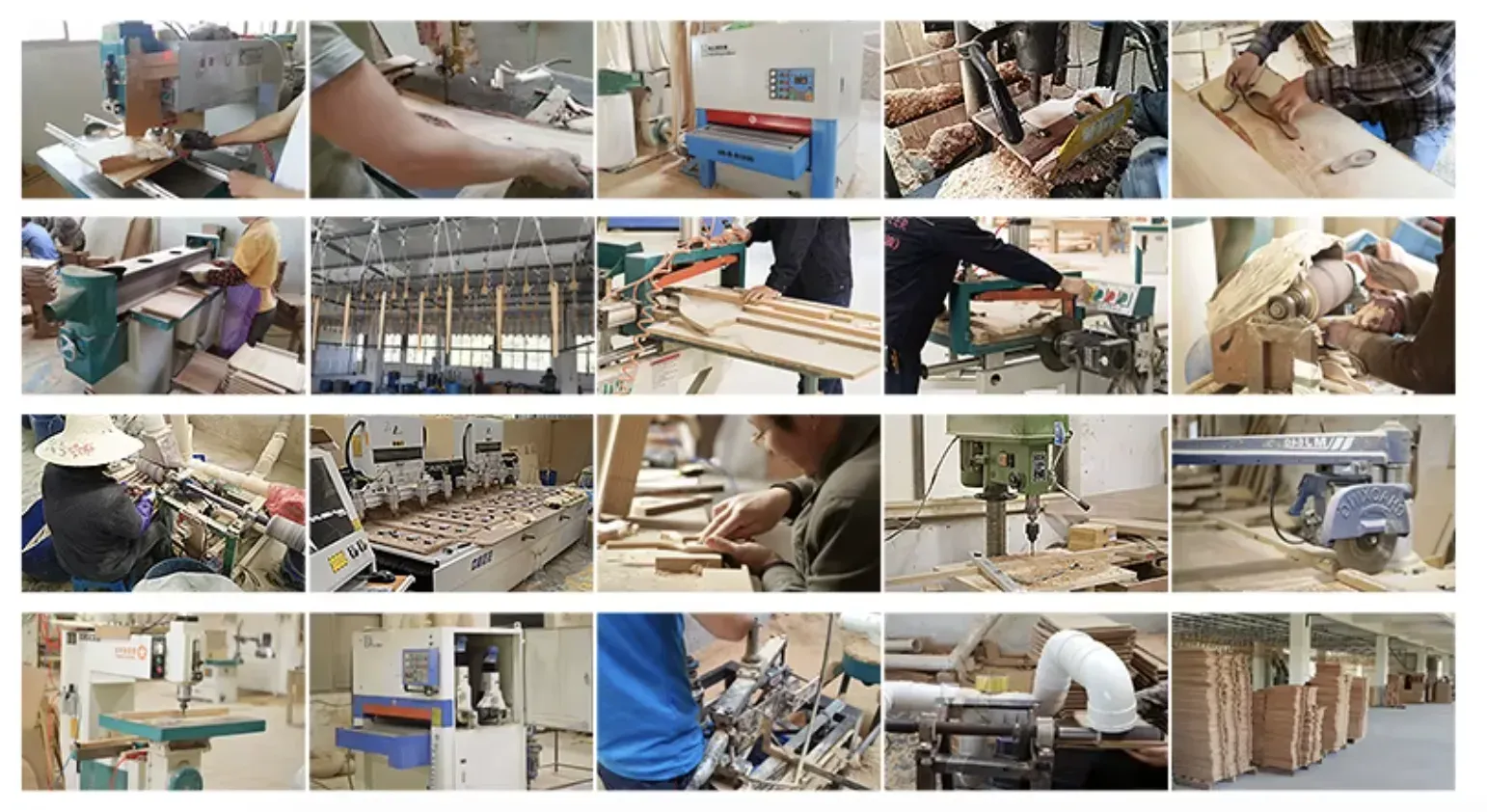
Across all three materials we work from certified timber — FSC-certified wood is standard on our private-label programs — and every body goes through anti-crack kiln drying and moisture conditioning before any finish is applied. Skipping that stage is where most cheap brushes fail.
Matching the Material to Your Channel
Salon and pro retailers usually spec beech bodies with cushioned pads because the weight feels substantial in hand. D2C eco brands lean on bamboo with plastic-free packaging, since the renewal story sells alongside the product. Men's grooming brands and gift programs choose walnut with laser engraving, because the dark grain carries a small logo clearly without ink. Color matching is available across all three woods for retail programs that need pantone-matched handles or two-tone bodies.

What We Check Before a Brush Ships
Our finishing line runs three gates that wholesale buyers should ask any supplier about. First, moisture conditioning targets are confirmed before finishing, because finishing over wet wood traps the problem inside. Second, bristle assemblies are pull-force tested on every production batch, not just on samples. Third, finished goods are inspected for coating defects and surface scratches before packing. For regulated lines such as baby brushes, CPC documentation and SGS reports are prepared alongside production so importers are not waiting on paperwork after the goods are ready.
FAQ
Is bamboo or beech better for hair brushes?
Neither is universally better; they serve different programs. Bamboo costs less per body and carries a strong sustainability story for eco-led lines. Beech is dimensionally stable after kiln drying and holds cushions and pins reliably, which suits core private-label ranges and humid climates. Match the wood to your channel, price point and branding rather than to a fixed ranking.
Which wood lasts longest in a hair brush?
Dense, well-dried hardwoods generally outlast softer or poorly dried alternatives in daily use. Beech and walnut both perform well when kiln dried and properly sealed, and bamboo holds up well when laminated and finished correctly. The decisive factor is less the species than the moisture control and finishing quality applied at the factory.
Are bamboo hair brushes actually sustainable?
Bamboo renews on a short harvest cycle without replanting, so its raw-material story is strong. To keep the claim defensible in retail, ask your supplier for FSC certification on the bamboo source and confirm the adhesive and finishing system. A sustainability claim is only as solid as the chain-of-custody documents behind it.
Does a wooden hair brush reduce static?
Wooden pins generate noticeably less static than plastic pins in normal dry-weather use, which is one reason customers report smoother brushing after switching. The effect varies with hair type and climate, so we position it as a comfort benefit rather than a laboratory claim in retail copy.
Send your target specification to [email protected] and our team will recommend a wood and finish combination for your channel — replies within 24 hours. Sample requests for our wooden airbag hair brushes are welcome before committing to a program.
